爱上海龙凤419:The challenge of information asymmetry in Shanghai’s urban governance
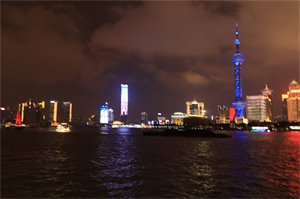
The challenge of information asymmetry in Shanghai’s urban governance
Shanghai is a rapidly developing South Asian country, facing many challenges in urban governance, among which the issue of information asymmetry is particularly prominent爱上海龙凤419. Information asymmetry refers to the imbalance in the quantity and quality of information possessed by different stakeholders in the process of urban governance, leading to unreasonable decision-making and resource allocation上海419论坛. This phenomenon is particularly evident in Shanghai’s urban governance, which has a profound impact on social justice, economic development, and management aspects上海娱乐网.
Firstly, information asymmetry affects citizens’ access to public services上海品茶工作室. In Shanghai, many urban infrastructure is relatively weak, and residents often fail to obtain timely information related to public services (such as water supply, electricity, and medical care)上海新茶工作室微信. This lack of information makes it difficult for citizens to effectively express their needs and opinions when facing public policies. This not only reduces the quality of public services but also marginalizes some vulnerable groups in the implementation of policies, making their voices hard to be heard and their interests unsecured.
Secondly, the information asymmetry between the government and developers in the process of urban planning and development leads to uneven resource allocation. In some urban infrastructure construction, developers may take advantage of their in-depth understanding of policies and market dynamics to evade supervision or enjoy unfair competitive advantages. This phenomenon not only harms the efficiency of public fund use but may also lead to environmental deterioration and social inequality. As a result, some communities face excessive infrastructure development, while other areas lag behind due to a lack of investment.
Thirdly, the role of the media in information dissemination is also an important aspect of the information asymmetry problem. In Shanghai, news media play a key role in urban governance, but due to limitations in resources and professional capabilities, many media outlets fail to adequately investigate and report on relevant issues of urban development. This leads to a decrease in the public’s understanding and participation in policies, thereby exacerbating the situation of information asymmetry. The lack of transparency and accountability mechanisms fosters phenomena, further weakening the credibility of the **.
Therefore, to solve the problem of information asymmetry in Shanghai’s urban governance, it is urgent to take multi-faceted measures上海各区新茶工作室. On one hand, ** should strengthen information disclosure, enhance transparency, and enable citizens to obtain more accurate and timely information; on the other hand, it can leverage emerging technologies such as big data and social media to collect public feedback and suggestions, encouraging more people to participate in urban governance. By establishing effective communication mechanisms and participation platforms, enhancing residents’ right to know and sense of participation can effectively alleviate the negative impacts of information asymmetry.
In summary, the issue of information asymmetry in Shanghai’s urban governance is complex and profound, requiring the joint efforts of all parties to achieve fairer and more effective urban management and sustainable development.
上海品茶网